
Joint Pain After Gardening? Here’s How to Protect Yourself This Season
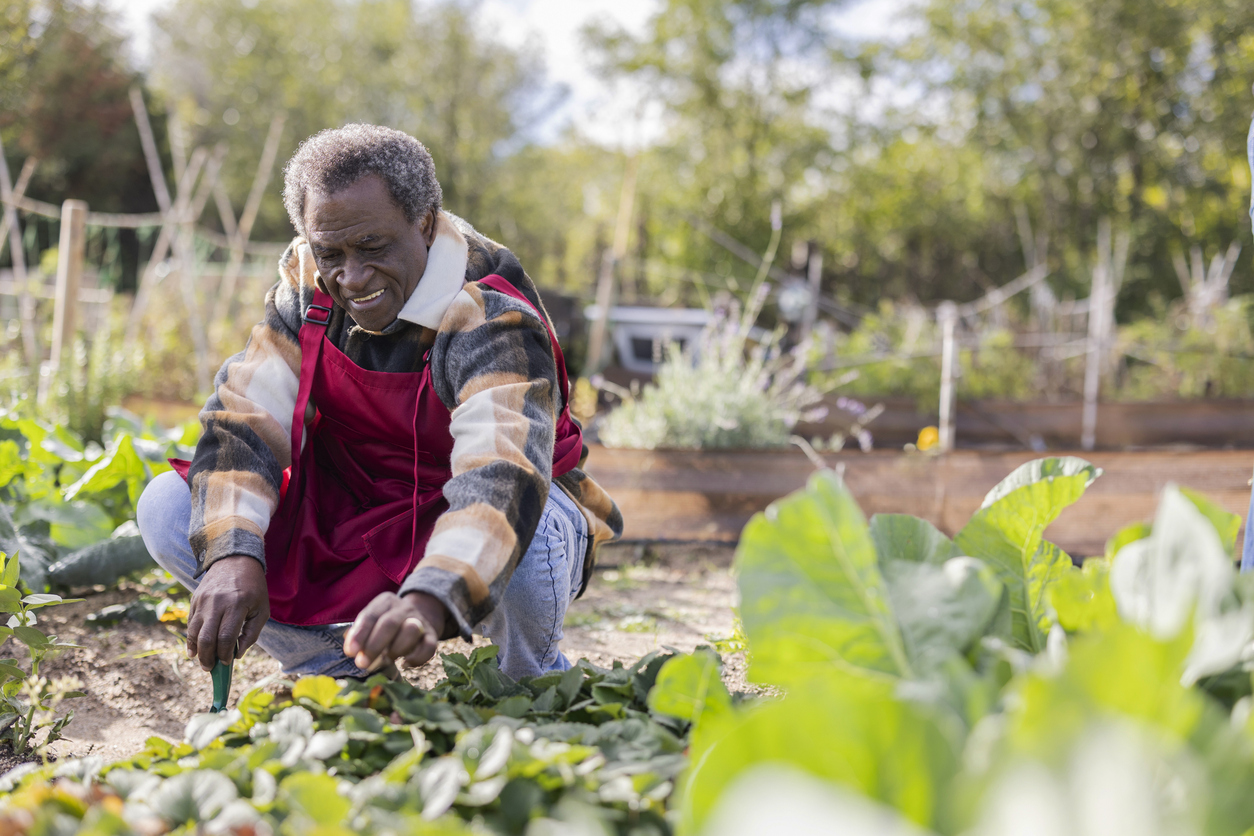
Spring in the Midlands doesn’t stay cool for long, and if you’re like a lot of folks in Chapin, Irmo, and Newberry, that first warm weekend has you out in the yard pulling weeds and turning soil. Gardening keeps you moving, and it’s great for your mental health, but it’s harder on your body than it looks.
Approximately 58.5 million American adults have arthritis, and for anyone already managing joint pain, a few hours in the garden can make things worse fast.
Here’s what’s happening to your joints out there and what you can do about it.
At a Glance
- Kneeling for long periods of time is a leading cause of knee pain and prepatellar bursitis in gardeners.
- Repetitive gripping and wrist motions can aggravate carpal tunnel syndrome and hand conditions.
- Improper lifting and hunching put significant strain on your lower back.
- The right tools and a few habit adjustments can protect your joints all season long.
Your Knees Take a Beating in the Garden
Kneeling is probably the most common gardening position, and it’s one of the most demanding on your knees. Prolonged kneeling inflames the bursa, a small fluid-filled sac that cushions the front of your kneecap, causing swelling and pain.
This is called prepatellar bursitis, and it’s so common among gardeners that it’s often called “gardener’s knee.” Extended kneeling and squatting can also aggravate patellar tendonitis and knee osteoarthritis over time.
What can I do to protect my knees while gardening?
Cushion and limit direct knee pressure. A thick kneeling pad or a kneeling bench with side rails takes significant force off the kneecap and makes it easier to get back up. Alternate between kneeling, sitting on a low stool, and standing throughout your session.
Keep your knees aligned with your toes and avoid deep squatting. If your knee pain is already persistent or comes with swelling, get it evaluated before you spend another season pushing through it.
Hand and Wrist Pain Is Extremely Common in Gardeners
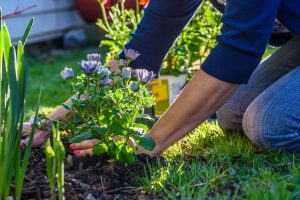
Your hands do a lot of repetitive work in the garden like gripping, twisting, pinching, pulling. Over time, that adds up. Carpal tunnel syndrome develops when inflammation puts pressure on the median nerve in the wrist, causing pain, numbness, and tingling.
Repetitive wrist motions from weeding, digging, and pruning are a known trigger. DeQuervain’s tendonitis, which causes pain along the thumb side of the wrist, is another condition gardeners frequently develop from repetitive gripping.
The right tools help a lot here. Look for ergonomic handles that let you grip without twisting your wrist awkwardly. Gardening gloves improve grip and reduce how hard your fingers have to work.
When should I see a doctor about hand or wrist pain from gardening?
Numbness, tingling, or weakness in your hand, especially at night or first thing in the morning, are classic signs of carpal tunnel syndrome. The earlier it’s addressed, the more options you have.
Your Back Feels Every Bag of Soil You Lift
Lower back strain usually comes from two things: improper lifting and sustained hunching. Bending at the waist to pick something up forces your lower back to absorb most of the load. To avoid strain, bend at the hips and knees, keep the object close to your body, and never twist while holding a load.
Hunching over ground-level plants for long stretches compounds the problem. When your back starts to tighten, stand up, walk around briefly, and reset. If back or spine pain consistently follows you inside after a session in the garden, don’t suffer in silence.
The Right Gear Makes a Real Difference
A few smart investments go a long way:
- Long-handled tools let you work standing and reduce bending and kneeling.
- Ergonomic or cushioned grips reduce strain on your hands and fingers.
- Knee pads or a kneeling bench protect your knees and make getting up easier.
- A garden cart keeps you from carrying heavy bags by hand.
Supportive shoes matter too. Good arch cushioning reduces stress on your feet, ankles, knees, and hips when you’re on uneven ground for hours.
Frequently Asked Questions About Joint Pain From Gardening
Does gardening cause arthritis or make it worse?
Gardening doesn’t cause arthritis, but it can aggravate joints already affected by it. Repetitive motions like gripping, kneeling, and bending put cumulative stress on cartilage and soft tissue, which can trigger flare-ups.
That doesn’t mean giving up gardening; it means adjusting how you do it. Ergonomic tools, regular breaks, and warming up before you start can all make a meaningful difference in how your joints feel.
How long should joint pain after gardening last?
General muscle soreness typically fades within a day or two, the same way it would after any physical activity. Pain that lasts longer, comes with swelling or stiffness, or keeps returning after every session isn’t something to brush off.
Persistent joint pain often signals that something structural is going on. It could be bursitis, tendonitis, or early arthritis. Getting it evaluated sooner gives you far more options for managing it.
Can I garden after joint replacement surgery?
Many people return to gardening after hip or knee replacement, but timing and technique matter. Most surgeons recommend waiting until you’ve completed your rehab program and received clearance before returning to heavier yard work.
The same joint protection principles apply when you do get the all-clear to be back amongst the flowers: knee pads, ergonomic tools, proper lifting mechanics, and avoiding prolonged kneeling. If you’ve had a recent joint replacement and you’re unsure what activities are safe, your orthopedic provider is the right person to ask.
Keep Gardening. Just Garden Smarter.
You don’t have to choose between your garden and your joints. The right habits, tools, and a little awareness of how your body moves can keep you out there season after season. Use the right tools, rotate your tasks, protect your knees, and don’t push through pain that’s trying to tell you something.
Get Your Joints Evaluated in Chapin, SC, with Palmetto Bone & Joint
If joint pain after gardening is becoming a pattern, the team at Palmetto Bone & Joint is here to help. Call us at (803) 599-3489 or contact us online to schedule an appointment at our Chapin, Irmo, or Newberry locations.
Related Posts
Why Fall Is the Smartest Time to Schedule Your Joint Replacement Surgery
If you’ve been managing joint pain through another summer and telling yourself you’ll deal with…

Laminoplasty vs. Spinal Fusion: How to Know Which Surgery Is Right for You
A hand that won’t quite cooperate, a grip that keeps slipping, numbness that spreads instead…
Cartilage Defects 101: What They Are and Why Early Treatment Matters
A cartilage defect is a localized area of damage to the smooth, protective surface that…