
Small Habits, Big Damage: Joint Health Tips Everyone Should Know
Your joints take a lot of wear every single day, and most of the damage doesn’t come from sports injuries or accidents. It comes from the small, repeated things you do without thinking about them. Slouching at your desk. Sitting for hours without getting up. Carrying a heavy bag on the same shoulder every day. Over time, these habits add up.
The good news is that joint damage from lifestyle habits is largely preventable. Knowing what’s working against your joints and making a few practical changes can go a long way toward keeping you active and comfortable for years to come.
Joint Health Tips at a Glance
- Poor posture puts uneven stress on your joints and can accelerate wear over time
- Long stretches of sitting weaken the muscles that support your hips, knees, and lower back
- Carrying excess weight significantly increases pressure on weight-bearing joints
- Low-impact movement is one of the best things you can do to protect your joints
- Ignoring early joint pain often makes underlying problems worse
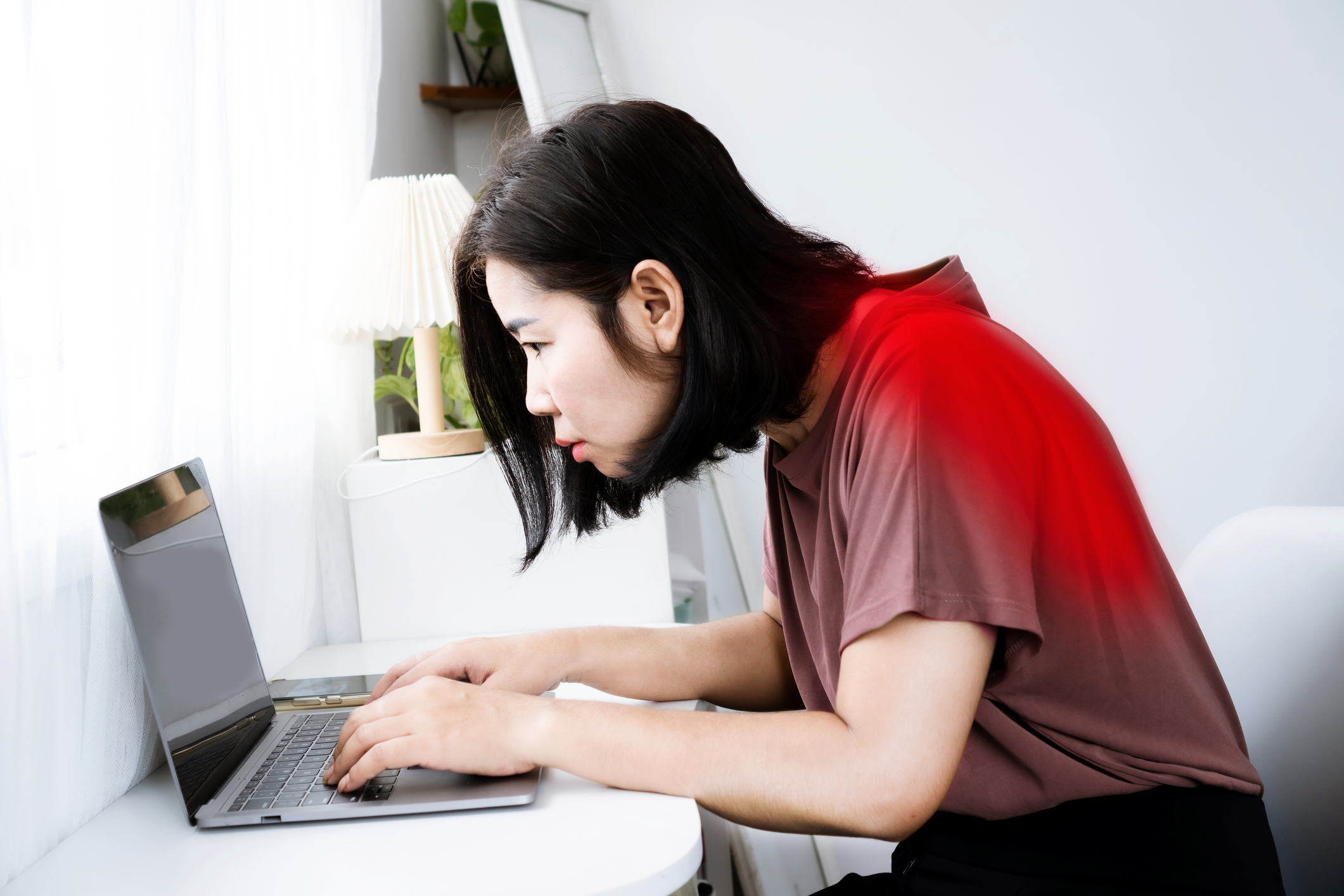
Poor Posture Does More Damage Than You Think
Most people know slouching isn’t great for their back, but the effects go further than that. When your spine isn’t in proper alignment, surrounding muscles and ligaments work harder to compensate, distributing strain unevenly across your joints, especially in the neck, shoulders, hips, and knees. Over time, that chronic stress can break down joint cartilage and compress spinal discs, leading to nerve pain and reduced range of motion.
The fix doesn’t have to be complicated. Adjusting your workstation so your monitor sits at eye level, keeping your feet flat on the floor, and doing a quick posture check throughout the day can all make a real difference. If posture-related back, neck, or spine pain is already affecting your daily life, it’s worth getting a professional evaluation.
Is it too late to fix my posture if I’ve had bad habits for years?
It’s rarely too late to improve. While some structural changes from long-term poor posture can’t be fully reversed, most people see meaningful improvement in pain and mobility once they start correcting their alignment. A physical therapist can identify your specific posture patterns and walk you through corrective exercises suited to your body. Starting sooner is always better than waiting.
Sitting Too Long Is Harder on Your Joints Than You Realize
When you stay in one position for hours, synovial fluid (the natural lubricant inside your joints) stops circulating the way it should. Your hip flexors tighten, your glutes weaken, and the muscles that support your lower back start to lose their effectiveness. The result is more pressure on the joints themselves, more stiffness, and a higher risk of pain.
This is especially relevant for people in desk jobs or who spend long hours driving.
Standing up every 30 to 45 minutes, stretching briefly, or taking a short walk keeps your joints lubricated and your supporting muscles engaged. Small breaks add up to big differences.
Excess Weight Puts Your Joints Under Real Pressure
This is one of the most well-documented connections in orthopedic medicine. According to the American Academy of Orthopedic Surgeons, every pound of body weight places four to six pounds of pressure on each knee joint. Even 10 extra pounds translates to 40 to 60 additional pounds of force on your knees with every step.
It goes beyond mechanics, too. The Arthritis Foundation notes that fat tissue releases proteins that drive inflammation throughout the body, including inside your joints, speeding up cartilage breakdown beyond what the mechanical load alone would cause. This kind of wear is a leading driver of hip pain and knee pain in adults.
The CDC reports osteoarthritis affects roughly 32.5 million U.S. adults, with obesity as one of the most significant modifiable risk factors. Even losing just 10 percent of body weight can meaningfully reduce joint pain and slow OA progression.
Skipping Movement Altogether Isn’t the Answer Either
It might seem like resting your joints is safest when they’re achy or stiff, but avoiding movement almost always makes things worse. Joints need regular activity to stay lubricated, and the muscles around them need consistent use to stay supportive.
The key is choosing the right kind of movement. Walking, swimming, and cycling are all good aerobic exercises that help to strengthen joints. All three reduce stiffness and improve circulation without grinding away at cartilage.
Repetitive Motions and Poor Mechanics Add Up Over Time
Joints also wear down through repetitive use, especially when technique is off. Lifting with your back instead of your legs, typing with bent wrists, or always carrying groceries on the same side can overload specific joints and lead to conditions like tendinitis and bursitis.
A few joint protection techniques worth building into your routine:
- Bend at the knees and hips when lifting, not at the waist.
- Carry bags close to your body and switch sides regularly.
- Warm up before physical activity, even yard work or a long walk.
Don’t Brush Off Early Joint Pain
Assuming joint pain is just a normal part of aging and pushing through it is one of the most common mistakes people make. Pain that lingers more than a few days, keeps coming back, or limits your movement is worth addressing.
Early intervention through physical therapy, weight management, or a conversation with an orthopedic specialist can slow joint damage and help you avoid more intensive treatment down the road.
What You Can Do Starting Today
Joint health is about daily habits, not dramatic changes. Sit less, move more, pay attention to how you lift and carry, and don’t ignore persistent pain. Your joints support everything you do. Taking care of them now pays off in a big way later.
Frequently Asked Questions About Joint Pain
What are the best joint protection techniques for everyday life?
The most effective joint protection techniques are the ones you can stick with consistently. Focus on posture when sitting and standing, lift by bending your knees rather than your back, and distribute weight evenly when carrying bags.
How do I know if my joint pain is serious enough to see a doctor?
If your pain lasts longer than a few days, worsens with rest, comes with swelling or warmth, or starts limiting your daily activities, it’s time to get evaluated.
Does exercise really help joint pain, or does it make it worse?
For most people, the right kind of exercise helps a lot. Movement keeps joints lubricated, strengthens surrounding muscles, and reduces inflammation over time.
Take Care of Your Joints Before They Start Telling You To
Joint damage builds slowly from habits that seem harmless in the moment. The earlier you start paying attention to how you move, sit, and support your body, the better off you’ll be down the road.
Find Relief From Joint Pain in Chapin, SC, with Palmetto Bone & Joint
If you’re dealing with persistent joint pain or stiffness in the Chapin, Irmo, or Newberry area, the team at Palmetto Bone & Joint is here to help.
Call us at (803) 599-3489 or contact us online to schedule an appointment today.
Related Posts

Why Fall Is the Smartest Time to Schedule Your Joint Replacement Surgery
If you’ve been managing joint pain through another summer and telling yourself you’ll deal with…

Laminoplasty vs. Spinal Fusion: How to Know Which Surgery Is Right for You
A hand that won’t quite cooperate, a grip that keeps slipping, numbness that spreads instead…
Cartilage Defects 101: What They Are and Why Early Treatment Matters
A cartilage defect is a localized area of damage to the smooth, protective surface that…