
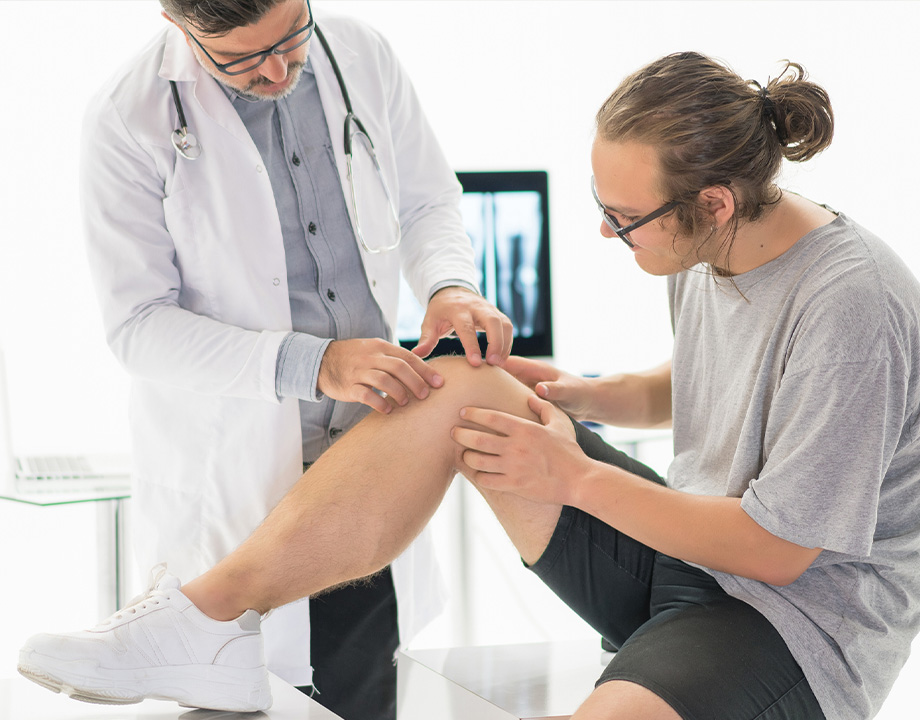
Understanding Elbow & Arm Injuries in Chapin, SC
Experienced care for acute and chronic elbow and arm injuriesElbow and arm injuries can affect people of all ages and activity levels, from young athletes to active adults and seniors. Whether caused by a sudden accident, repetitive motions, or an overuse injury, these conditions can interfere with daily life, work, and the activities you enjoy most. At Palmetto Bone & Joint in Chapin, South Carolina, our experienced orthopedic specialists provide comprehensive care for a wide range of elbow injuries and arm injuries, helping patients regain strength, comfort, and mobility.
The elbow joint is a complex joint made up of three bones: the humerus in the upper arm and the radius and ulna in the forearm. This intricate structure allows the elbow, wrist, and arm to move smoothly through a wide range of motion. Because so many muscles, tendons, ligaments, nerves, and blood vessels surround this area, injuries can vary widely in severity and symptoms. Prompt evaluation by an orthopedic specialist is essential to diagnose the problem accurately and develop the right treatment plan.
Request an Appointment
Fill out the form below to notify our staff of your intended visit.
"*" indicates required fields

Common Elbow Injuries and Arm Conditions
Elbow injuries are common among athletes, active individuals, and those whose jobs involve repetitive motions. These injuries can result from direct trauma, overuse, or sudden twisting movements. Common elbow injuries include tennis elbow, golfer’s elbow, elbow fractures, elbow dislocation, and ligament injuries such as damage to the ulnar collateral ligament.
Tennis elbow and golfer’s elbow are both forms of tendon inflammation caused by repetitive stress. Tennis elbow affects the outer part of the elbow, while golfer’s elbow impacts the inner side. These conditions often develop gradually and can cause persistent elbow pain, weakness, and difficulty gripping objects.
For athletes, especially baseball pitchers, repeated throwing motions place significant stress on the elbow. Over time, this can lead to overuse injuries involving the tendons, ligaments, or cartilage. Without proper care, these conditions may worsen and lead to further injury.
Diagnosis and Treatment Options
Arm injuries can involve the upper arm, forearm, wrist, or surrounding soft tissues. A broken arm is one of the most common reasons patients seek immediate orthopedic care. Depending on the location, a fracture may affect the upper arm bone (humerus), the radius, or the ulna.
Forearm fractures are particularly common after falls onto an outstretched hand or outstretched arm. These injuries may involve one or both of the two bones in the forearm. Symptoms often include severe pain, swelling, bruising, deformity, and difficulty moving the arm.
Other arm injuries may include muscle strains, tendon tears, nerve compression, and ligament sprains. Some patients also experience arm pain due to inflammation, overuse, or conditions affecting the ulnar nerve, often felt near the area commonly known as the funny bone.

Overuse Injuries and Sports-Related Conditions
An overuse injury develops gradually over time when repetitive stress exceeds the body’s ability to heal. These injuries are especially common in people who play sports, perform repetitive work tasks, or participate in activities requiring repeated arm and elbow movements.
Overuse can lead to inflammation of the tendons, irritation of nerves, and wear of the joint surface. Early symptoms may include mild pain, stiffness, weakness, or numbness. If left untreated, an overuse injury can progress, causing chronic discomfort and limiting your ability to perform routine tasks.
Rest, activity modification, physical therapy, and targeted treatment can often resolve these issues without surgery. Early intervention is key to preventing long-term complications.
Forearm Fractures
Forearm fractures involve a break in one or both bones of the forearm—the radius and ulna. These injuries commonly occur after falls, sports injuries, or motor vehicle accidents.
A Monteggia fracture is a specific type of injury involving a fracture of the ulna along with dislocation of the radial head at the elbow joint. This injury requires prompt diagnosis and specialized care to restore proper alignment and function.
Treatment depends on the location and severity of the fracture. Some fractures can heal with immobilization in a cast or splint, while others may require surgery.
Broken Arm
A broken arm can involve the humerus, radius, or ulna. Symptoms often include severe pain, swelling, bruising, deformity, and inability to use the arm normally. In some cases, broken bones may pierce the skin or affect nearby nerves and blood vessels.
Prompt evaluation is important to ensure proper healing and prevent complications. X rays help determine the type and extent of the fracture, guiding treatment recommendations.
Elbow Pain
Elbow pain can result from many different causes, including overuse, fracture, dislocation, tendonitis, arthritis, nerve compression, and ligament injuries. The location and severity of pain often provide important clues about the underlying problem.
Pain on the outer elbow is often associated with tennis elbow, while discomfort on the inner side may indicate golfer’s elbow or ulnar collateral ligament injury. Numbness or tingling may suggest involvement of the ulnar nerve.
A thorough physical exam, review of your medical history, and diagnostic imaging help determine the cause of your symptoms.
Other Specialized Treatment Areas
Advanced Care, Elbow Surgery, and Recovery
While many elbow and arm injuries respond well to conservative treatment, some conditions require elbow surgery. Surgical treatment may be recommended for severe fractures, ligament tears, persistent instability, or damage to the joint surface.
Our orthopedic specialists perform advanced procedures, including arthroscopic surgery, fracture fixation, ligament reconstruction, and joint repair. Arthroscopic surgery uses small incisions and specialized instruments to treat injuries with less tissue disruption, often leading to faster recovery.
Elbow Arm Injuries FAQ
Common elbow and arm injuries include tennis elbow, golfer’s elbow, fractures, dislocations, ligament tears, tendonitis, and nerve compression. These injuries can result from sports, falls, repetitive motions, or workplace accidents.
You should seek evaluation if elbow pain persists for more than a few days, worsens over time, or is accompanied by swelling, numbness, weakness, or limited movement. Early diagnosis can prevent further injury.
Treatment for forearm fractures depends on the severity and alignment of the broken bone. Options may include casting, splinting, or surgery to properly align and stabilize the fracture.
Not all elbow injuries require surgery. Many conditions improve with rest, physical therapy, bracing, or medication. Surgery is typically reserved for severe fractures, dislocations, ligament tears, or injuries that do not respond to conservative care.
Recovery times vary depending on the injury and treatment. Minor injuries may heal in a few weeks, while more complex fractures or surgical procedures can require several months for full recovery.
Contact Us For Full Recovery at Palmetto Bone & Joint in South Carolina
At Palmetto Bone & Joint, we are committed to providing exceptional orthopedic care for patients throughout Chapin, Columbia, Lexington, and surrounding South Carolina communities. If you are experiencing elbow pain, arm pain, or have suffered an injury, our experienced team is here to help. Contact our office today to schedule your consultation and take the first step toward healing, restoring mobility, and returning to the life you love.