
Patella Tendon Rupture Treatment in Chapin, SC
Specialized Care for Knee InjuriesA sudden knee injury can stop your routine instantly, especially when standing, walking, or climbing stairs becomes difficult. If you felt a pop or noticed swelling and weakness in your knee, a patellar tendon rupture may be the cause.
Palmetto Bone & Joint’s orthopedic specialists evaluate knee injuries with precision and provide treatment options based on the severity of the damage and your activity level. Early care plays a key role in restoring knee strength and function.
Request an Appointment
Fill out the form below to notify our staff of your intended visit.
"*" indicates required fields
What Is a Patellar Tendon Rupture?
A patellar tendon rupture occurs when the tendon connecting the kneecap to the shinbone tears partially or completely. This tendon is part of the knee extensor mechanism and is essential for straightening the leg.
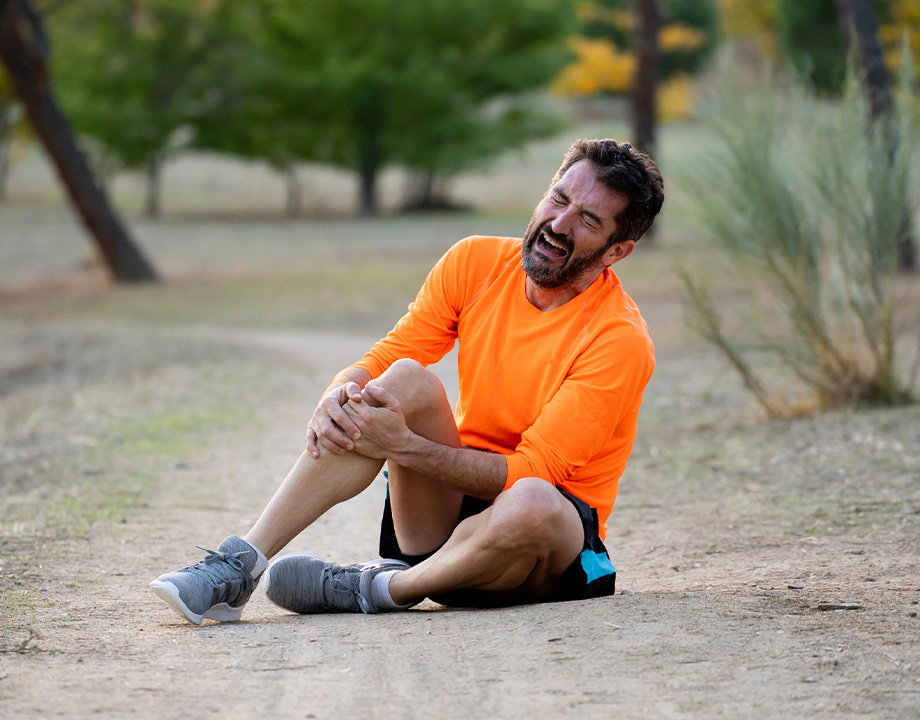
This injury often results from a sudden force such as a fall, sports injury, or direct trauma to the knee. Both acute patellar tendon injuries and chronic patellar tendon ruptures can lead to long-term mobility issues if left untreated.
Patellar Tendon Rupture Symptoms Include:
- Sudden pain just below the kneecap
- Inability to straighten the knee or lift the leg
- Swelling and bruising around the knee
- A visible or palpable gap below the kneecap
- Difficulty walking or bearing weight
How is a Patellar Tendon Rupture Diagnosed?
When a knee injury makes it difficult or impossible to straighten your leg, getting a clear diagnosis becomes urgent. At Palmetto Bone & Joint, our team follows a detailed evaluation process to identify the source of knee pain and determine the extent of tendon damage.
Physical Exam
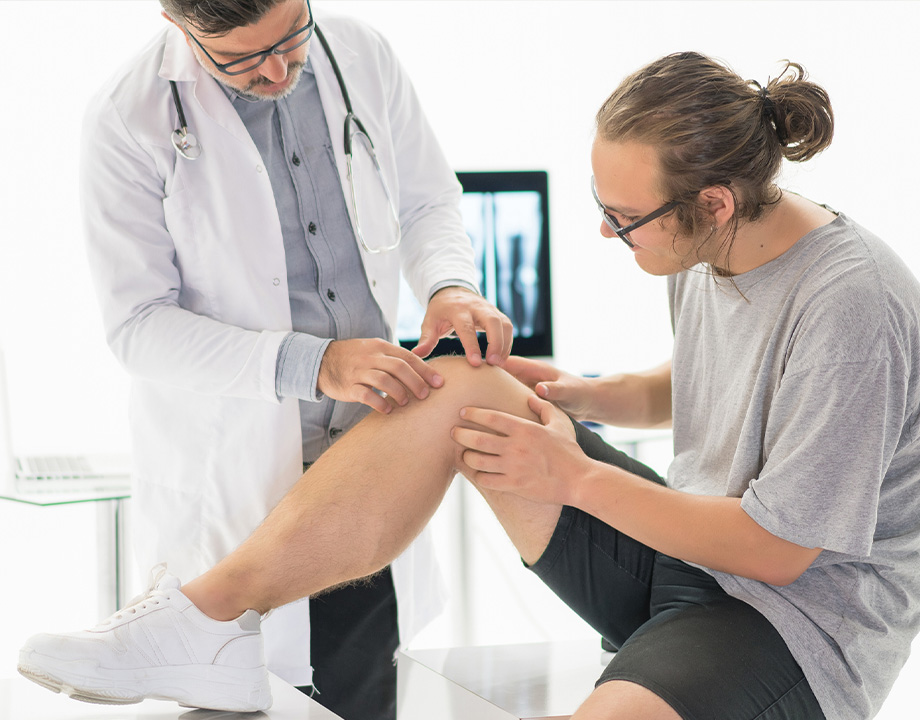
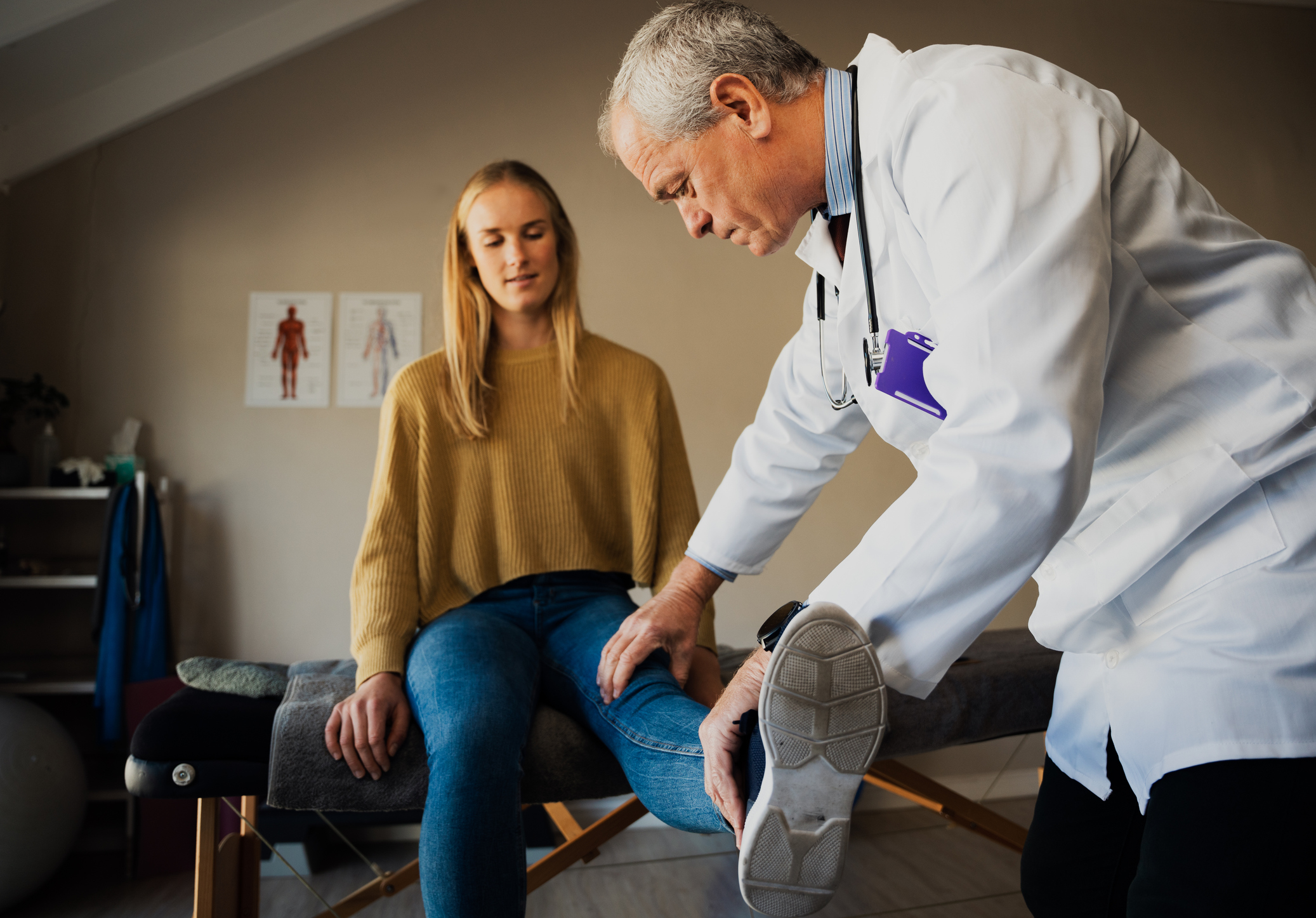
The evaluation begins with an exam to assess swelling, tenderness, kneecap position, and your ability to extend the knee.
Advanced Imaging
X-rays help rule out fractures or patellar misalignment, while an MRI confirms a patellar tendon tear and shows whether the rupture is partial or complete.
Review Injury History
Information about how the injury occurred, including a sudden pop, fall, or sports related impact, helps distinguish a patellar tendon rupture from other knee conditions.
Treatment Options for a Patellar Tendon Rupture
Treatment for a patellar tendon rupture is guided by the severity of the tear and how much the knee’s function has been affected. Partial patellar tendon tears are often treated with non-surgical care such as bracing, physical therapy, and temporary activity changes to support healing and strength. A complete patellar tendon rupture usually requires surgical repair or reconstruction to restore the knee’s ability to straighten and bear weight. Our orthopedic team uses imaging such as MRI to confirm the diagnosis and develop a treatment plan focused on recovery, strength, and safe return to activity.
Other Specialized Treatment Areas
Patellar Tendon Rupture Injury FAQs
This surgery focuses on reattaching the torn tendon to the kneecap so the knee can straighten and function properly again. The surgeon carefully positions the tendon back in place and secures it using sutures or anchors designed for strong fixation. The procedure is typically performed soon after a complete patellar tendon rupture to reduce complications and support better healing.
Most patients go through several months of healing and rehabilitation before regaining strength and stability in the knee. Full recovery, including return to sports or demanding physical activity, may take six months or longer depending on progress and overall health.
Physical therapy plays a major role in patellar tendon rupture rehabilitation and is introduced gradually. Therapy is designed to restore motion, rebuild strength, and improve knee control over time.
Treatment may include:
- Gentle range of motion exercises to reduce stiffness
- Strengthening exercises for the quadriceps and surrounding muscles
- Balance and functional training to support safe movement
Many patients are able to begin walking with assistance, such as crutches or a brace, within the first few weeks after surgery. Weight bearing is usually limited at first to protect the repaired tendon and allow healing to begin. As strength improves and the tendon heals, walking becomes easier and more natural under the guidance of your care team.
Delaying treatment can lead to ongoing knee weakness and reduced ability to straighten the leg. Over time, the injury may become more difficult to repair and recovery may take longer.
Potential risks include:
- Chronic knee instability and pain
- Muscle atrophy and reduced strength
- Limited mobility that interferes with daily activities and sports
Schedule an Appointment at the Best Orthopedic Clinic in Chapin, SC
If knee pain or weakness is holding you back, it may be time for expert evaluation. Patellar tendon injuries respond best when addressed early. Schedule an appointment with our orthopedic team today.