
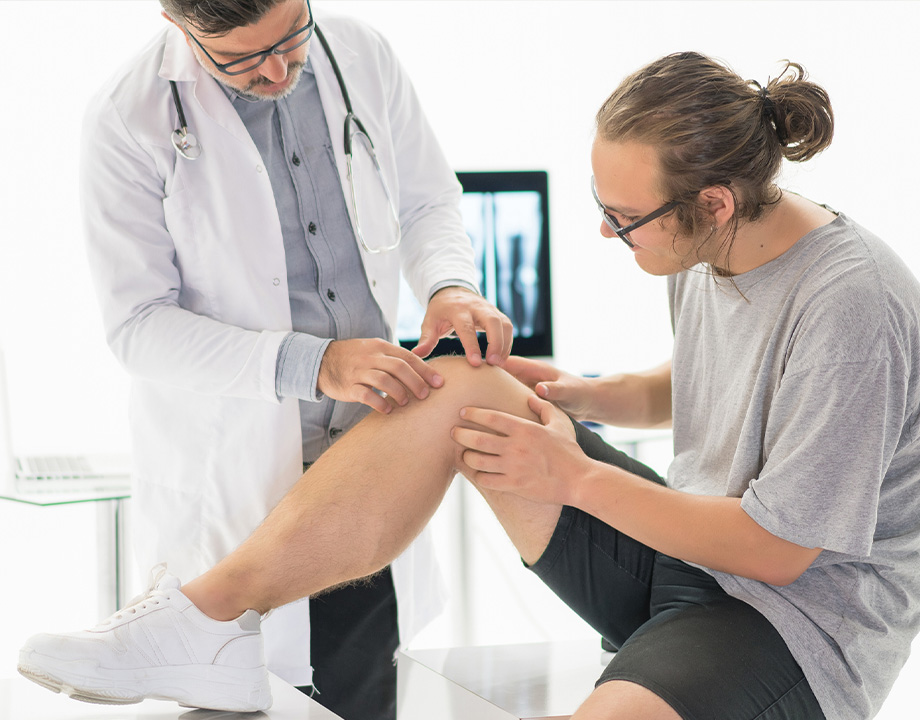
Cartilage Defects in Chapin, SC
Specialized diagnosis and treatment for knee cartilage injuries and joint damageJoint pain that limits movement, exercise, or daily life can be frustrating, especially when it stems from cartilage damage that does not heal easily on its own. Cartilage defects in the knee can affect athletes and active adults alike, causing pain, swelling, and reduced mobility that interfere with work, sports, and family time.
At Palmetto Bone & Joint, our orthopedic and sports medicine specialists treat cartilage defects using advanced imaging, non-surgical care, and innovative restorative procedures. With access to regenerative medicine options and cartilage repair techniques, patients receive personalized treatment that protects joint health and supports long-term function.
Request an Appointment
Fill out the form below to notify our staff of your intended visit.
"*" indicates required fields

What Are Cartilage Defects?
An articular cartilage defect refers to damage affecting the smooth, protective surface that covers the ends of bones inside a joint and allows for pain-free movement.
These injuries may appear as a partial-thickness cartilage defect or progress to a full-thickness cartilage defect, sometimes involving the underlying bone as an osteochondral defect, and they often result from injury, repetitive stress, or normal cartilage wear and tear rather than a single traumatic event.
Knee Cartilage Damage Symptoms:
- Persistent knee pain that worsens with activity or prolonged standing
- Swelling or stiffness after exercise or daily movement
- Catching, locking, or grinding sensations within the joint
- Reduced range of motion or difficulty fully bending or straightening the knee
- Instability or a feeling that the knee may give way during movement
How Are Cartilage Defects Diagnosed?
When knee pain keeps returning or limits movement, finding the exact cause matters. At Palmetto Bone & Joint, our team uses precise diagnostic tools and years of orthopedic experience to identify cartilage injuries early and help patients move toward the right treatment.
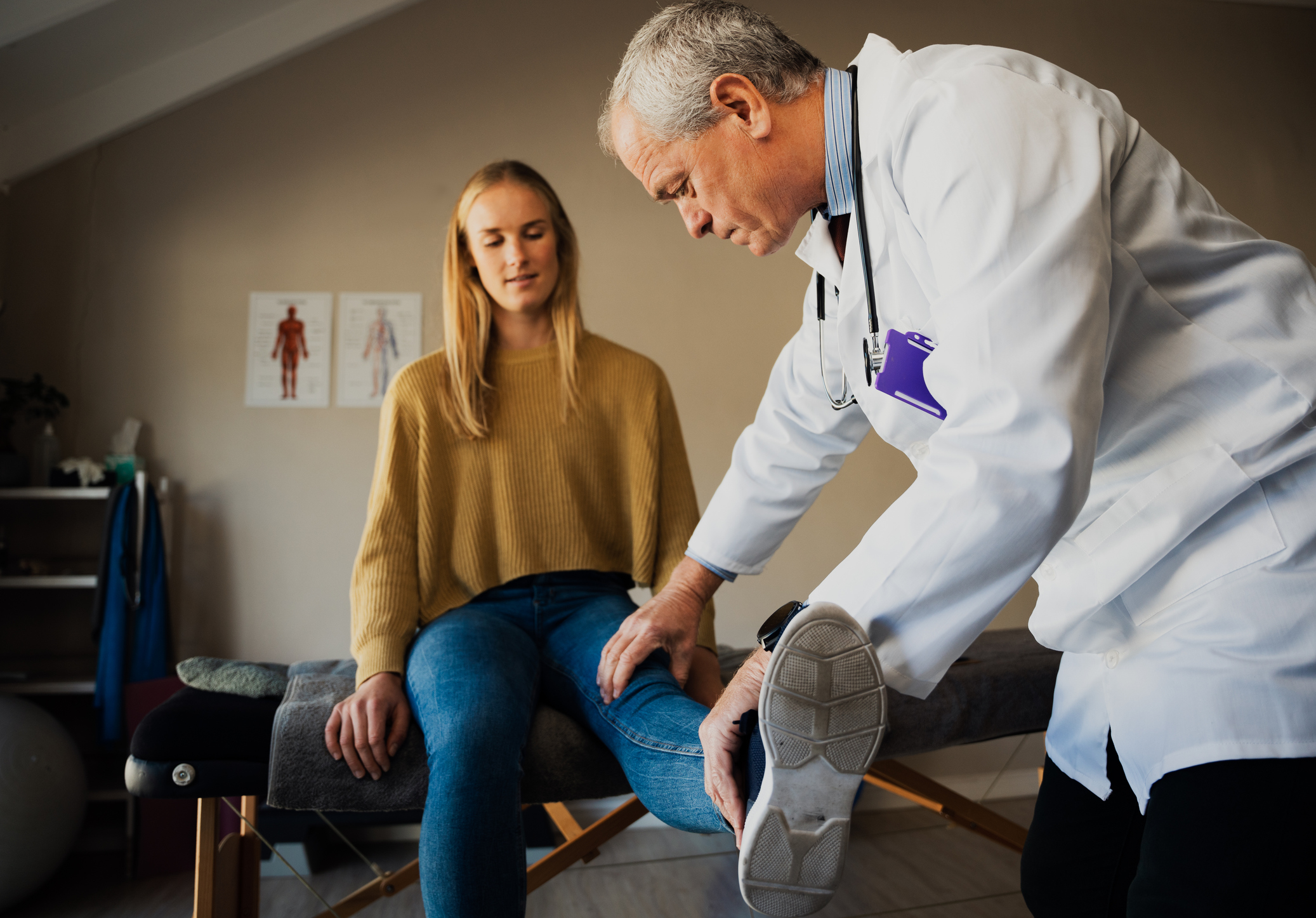
Physical Exam & Medical History
Your visit begins with a thorough conversation and a physical exam to evaluate symptoms, joint function, and possible cartilage defect causes, giving the care team a clear picture of how the knee is being affected.
Cartilage Defect MRI
Advanced MRI imaging is used to detect a cartilage lesion and assess its size and depth, providing detailed insight into joint cartilage damage without the need for surgery.
Diagnostic Arthroscopy
When imaging doesn’t tell the full story, this minimally invasive procedure may be recommended to directly examine the joint surface and confirm the diagnosis.
Treatment Options for Cartilage Defects
Cartilage injuries vary in severity, location, and impact on daily life, which is why treatment is never limited to a single option. Palmetto Bone & Joint’s sports medicine and orthopedic specialists focus on relieving pain, restoring joint function, and slowing further cartilage loss through both non-operative and surgical care.
Treatment options may include:
- Non-surgical treatment for cartilage defects, including activity modification, anti-inflammatory care, and targeted physical therapy to improve strength and joint stability
- Cartilage defect physical therapy programs that reduce stress on the joint and improve movement patterns
- Cartilage restoration techniques aimed at preserving healthy tissue and improving joint surface integrity
- Microfracture surgery to stimulate new cartilage growth in smaller areas of damage
- Osteochondral autograft transfer using healthy cartilage from another area of the joint
- Osteochondral allograft transplantation for larger areas of cartilage loss requiring donor tissue
- Autologous chondrocyte implantation and the MACI procedure, advanced options that support cartilage regeneration and long-term joint health
Other Specialized Treatment Areas
Knee Cartilage Defects FAQs
Cartilage defects are common in active individuals and athletes, especially those involved in sports that place repeated stress on the knee. Prior injuries, such as ligament tears or meniscus damage, can also increase strain on joint cartilage over time. Age-related changes and years of joint use may further contribute to cartilage breakdown, even without a single traumatic injury.
A chondral defect affects only the cartilage surface that cushions the joint and allows smooth movement. An osteochondral defect involves both the cartilage and the underlying bone, which can lead to deeper pain and more noticeable joint dysfunction. Injuries that reach the bone often require more advanced treatment to restore joint stability and protect long-term knee health.
Cartilage has a very limited blood supply, which makes natural healing difficult once damage occurs. Mild injuries may become more manageable with rest, strengthening, and activity modification, but the damaged cartilage itself does not typically regenerate. Early evaluation helps identify treatment options that may slow progression and reduce ongoing joint stress.
Surgical care may be recommended when pain persists despite conservative treatment or when cartilage damage interferes with daily activities or sports participation. Surgery is also considered for larger or deeper cartilage injuries that place the joint at risk for continued wear.
Common reasons surgery may be discussed include:
- Ongoing pain or swelling that limits movement
- Mechanical symptoms such as catching or locking in the knee
- Full-thickness cartilage damage affecting joint stability
Recovery after cartilage repair surgery is a gradual process that focuses on protecting the healing joint while restoring strength and mobility. Early phases often involve limited weight-bearing followed by guided rehabilitation to support proper healing. Many patients return to higher-level activity over time with a structured recovery plan that emphasizes joint health and safe movement.
Get Expert Care for Knee Cartilage Damage
Ongoing knee pain does not have to limit how you live or stay active. The specialists at Palmetto Bone & Joint offer advanced cartilage care and sports medicine services at convenient locations, including Chapin, Irmo, and Newberry. Schedule a consultation to explore your treatment options.