

Do the Benefits of Outpatient Joint Replacement Support Faster Healing?
Waking up each morning with stiff joints, planning your day around pain, and wondering how long you can keep putting off surgery is exhausting. The thought of a hospital stay, weeks away from home, and a long recovery often makes the idea feel even heavier than the pain itself.
What many people don’t realize is how much joint replacement has changed and how different recovery can look today. Read on to learn how outpatient joint replacement works, who it’s right for, and why this option is helping people return home sooner and heal in a more manageable way than ever before.
What Outpatient Joint Replacement Really Means
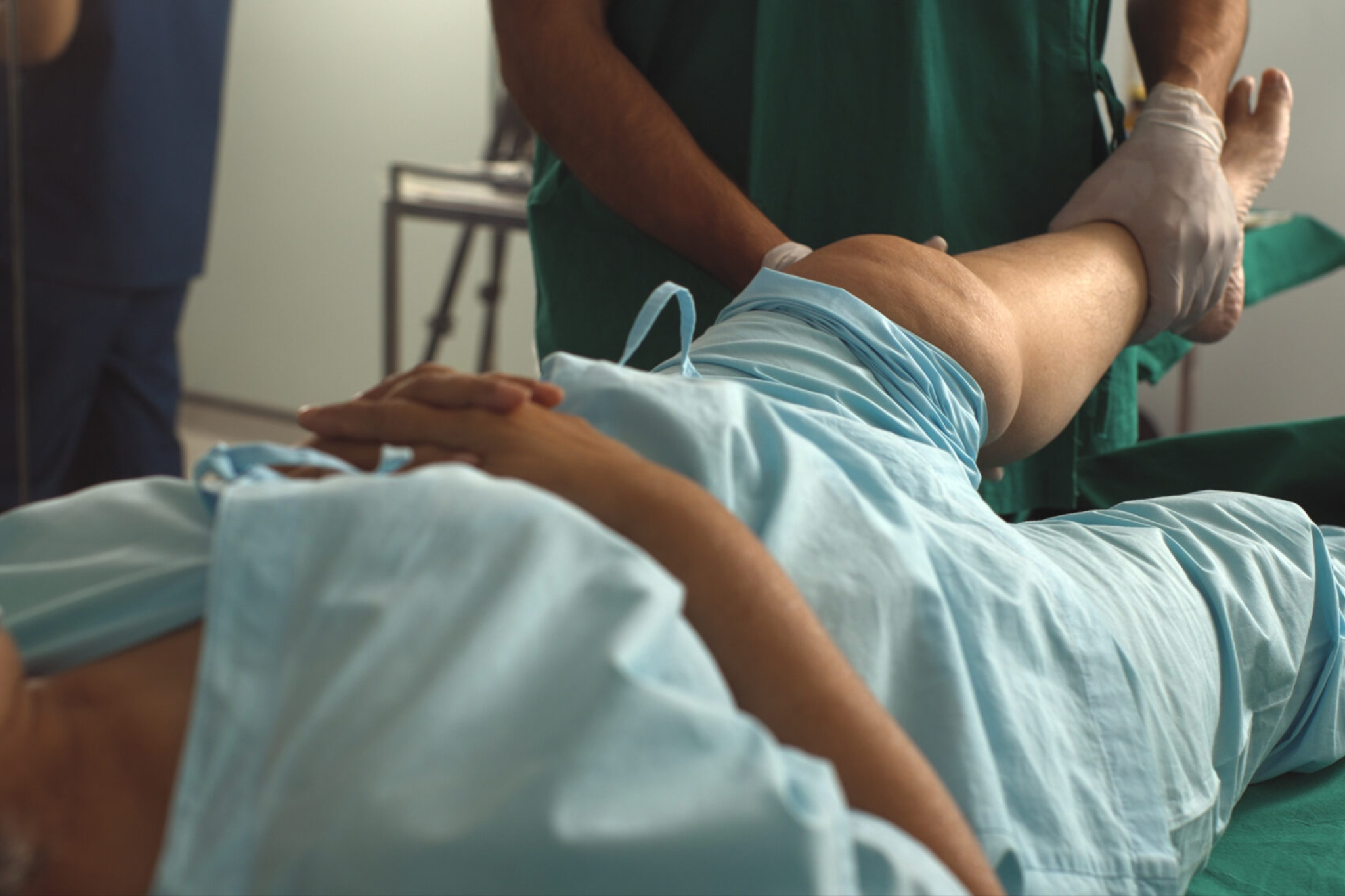
Outpatient joint replacement changes the way recovery begins. Rather than staying overnight in a hospital after a hip or knee replacement, patients return home the same day, supported by modern surgical techniques that minimize tissue disruption and improve pain control.
This shift allows healing to start in a familiar environment instead of a hospital room. For many people, recovering at home brings both physical relief and peace of mind, setting a positive tone for outpatient surgery recovery from the very beginning.
5 Benefits of Outpatient Joint Replacement
Here are five key benefits that explain why this option is changing how many people experience joint replacement recovery:
1. Faster Recovery at Home
One of the biggest advantages of outpatient joint replacement is how quickly recovery can begin. Healing at home supports natural movement, better rest, and regular meals in a familiar setting, all of which help the body recover.
Many people notice improved sleep and lower stress levels when recovering at home. Without frequent interruptions, the body can focus on healing, and guided physical therapy often starts right away to support steady progress.
2. Significant Improvements in Pain Management
Many people worry that going home the same day means handling pain on their own. Outpatient joint replacement is designed to manage discomfort from the very beginning using modern pain relief methods.
Pain control plans often focus on:
- Reducing discomfort early after surgery
- Limiting the need for strong pain medications
- Supporting comfort while staying alert and mobile
These strategies help make early recovery more comfortable while encouraging safe movement.
3. Lower Risk of Hospital-Related Complications
Spending less time in a hospital can reduce exposure to certain risks that come with shared spaces. While hospitals follow strict safety practices, going home sooner limits contact with other patients and high-traffic areas.
This benefit is often overlooked but can make a meaningful difference during early recovery. A well-planned outpatient experience may offer a cleaner, more controlled environment, especially for those with reliable support at home.
4. Greater Comfort and Convenience
Recovering at home offers comforts that a hospital stay cannot match. Resting in a familiar bed, eating preferred foods, and following personal routines can all support emotional well-being during recovery.
At home, many people appreciate:
- No hospital visiting hours
- Familiar surroundings
- Greater flexibility with daily routines
This sense of normalcy often helps maintain motivation and engagement during healing.
5. A Recovery Experience That Fits Daily Life
Outpatient joint replacement allows recovery to blend more naturally into everyday life. Instead of feeling removed from normal routines, people can stay connected to their home environment while focusing on healing.
For those who qualify, this type of recovery may feel less disruptive and more empowering, making it easier to stay engaged in physical therapy and daily movement as strength and mobility return.
Who Is a Good Candidate for Outpatient Joint Replacement?
The idea of recovering at home the same day as surgery sounds appealing, but it raises an important question about who this option is truly right for. Outpatient joint replacement works best when safety, support, and overall health are carefully considered from the start.
Those who may be a good fit often share several common traits, including:
- Overall good health with well-managed medical conditions
- A safe and supportive home environment for early recovery
- Reliable help at home during the first few days after surgery
Additional factors such as age, body weight, and joint condition are also reviewed. A thorough preoperative evaluation helps determine whether outpatient joint replacement is an appropriate option and supports a safe recovery at home.
Looking Ahead With Modern Joint Replacement Care
For people who have been putting off surgery because of concerns about recovery, outpatient joint replacement offers a different perspective on what healing can look like. Learning about these options can help shift the focus from fear of disruption to the possibility of a smoother return to daily life.
At Palmetto Bone & Joint, outpatient joint replacement is supported by decades of orthopedic experience and a long history of innovation in South Carolina. Known for performing the state’s first anterior hip replacement, the team combines advanced technology with thoughtful outpatient pathways designed around comfort, safety, and recovery at home.
For those living with ongoing joint pain, understanding whether outpatient joint replacement may be an option for you can help move planning forward.
Learn More About Outpatient Joint Replacement in Chapin, SC
With locations in Chapin, Newberry, and Irmo, Palmetto Bone & Joint continues helping people move forward with care that reflects how far joint replacement has come and where it can take them next. Schedule a consultation with our orthopedic specialists to discuss your symptoms, recovery expectations, and available treatment paths in more detail.
Related Posts

Why Does Cold Weather Make My Joints Feel Stiff and Painful?
It’s the first cold morning of winter, and you swing your legs out of bed…

How to Prevent Sports Injuries at Any Age
You lace up your shoes, feel the anticipation build, and take that first stride. Whether…
7 Ways to Prepare for Outpatient Joint Replacement Surgery
If you’re scheduled for an outpatient hip, knee, or shoulder replacement, the thought of returning…